Famous Count-Ins in Music: A Complete List, 1962 to Today
· 8 min read
Most count-ins never make it onto the finished record. The band counts off, the tape rolls, and an engineer trims the "1-2-3-4" before anyone outside the studio ever hears it. The ones below are the exceptions: takes where the count stayed on, sometimes by accident, sometimes because someone decided it belonged there.
This is a running list, organized by year. It grows alongside our video series, Famous Count-Ins, where we take one of these recordings apart properly: the story behind the count, and what it tells you about the song.
1962 to 1969
"Let's Dance" — Chris Montez (1962)
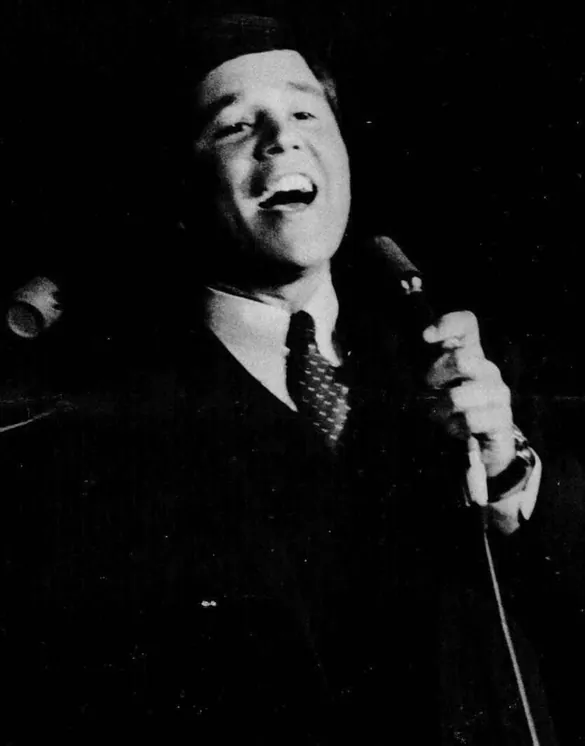
The song's own beat is unusual: the verses land the accent on 1 and 3, then flip for the rest of the tune. Drummer Jesse Sailes counts the band in with a lopsided "one, two, one, two, three" that already hints at the shift before a single note plays.
"I Saw Her Standing There" — The Beatles (1963)
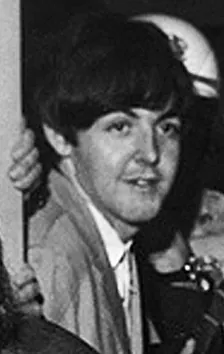
The most famous count-in in recorded music, and it does not belong to the take you are hearing. Paul McCartney's "one, two, three, four!" was recorded on take nine. George Martin liked how alive it sounded and spliced it onto the front of a different, better take of the song. Everyone who has ever heard the count assumes it is part of the same performance that follows it. It isn't.
We covered this one first, in episode one of the series.
"Wooly Bully" — Sam the Sham and the Pharaohs (1965)
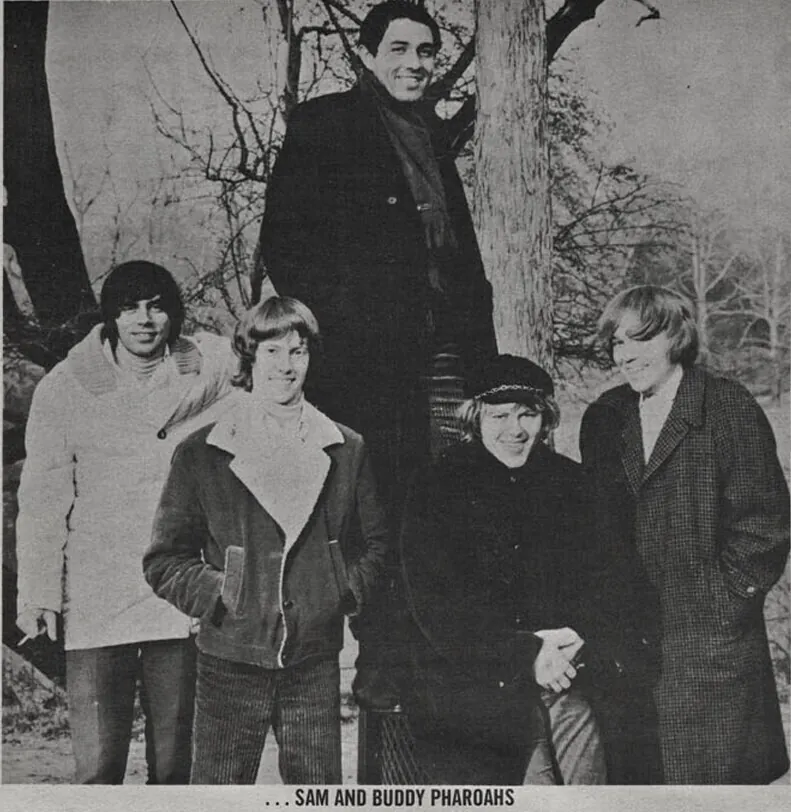
A bilingual count, "uno, dos, one, two, tres, cuatro", opens a song that never once reached number one on any single week's Billboard chart, and still finished as Billboard's number one song of the entire year. It took thirty-five years for another song to manage the same trick.
We told this one in the series too: never number one for a single week, still the top song of the year.
"Taxman" — The Beatles (1966)
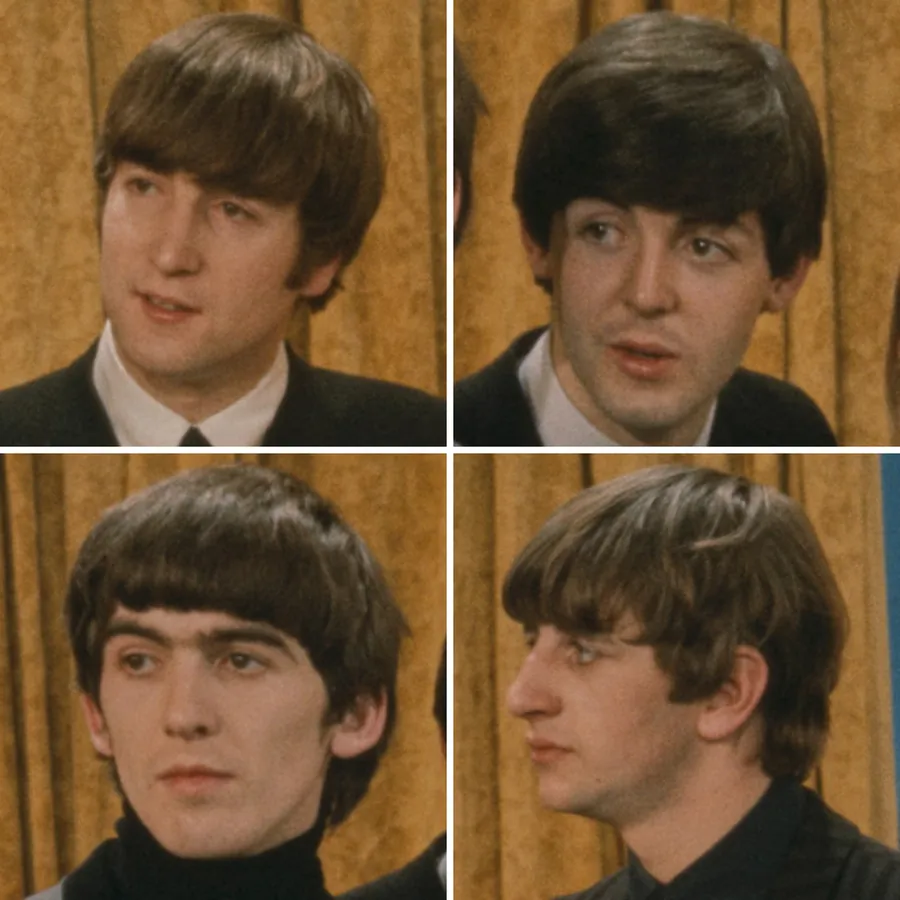
George Harrison counts the track in twice. The real one sets the tempo, most audible on the fourth beat. The second is pure theatre: off the beat, hushed, layered with someone coughing, added purely for the "secretive" feel George Martin wanted for the opening.
"A Day in the Life" — The Beatles (1966)
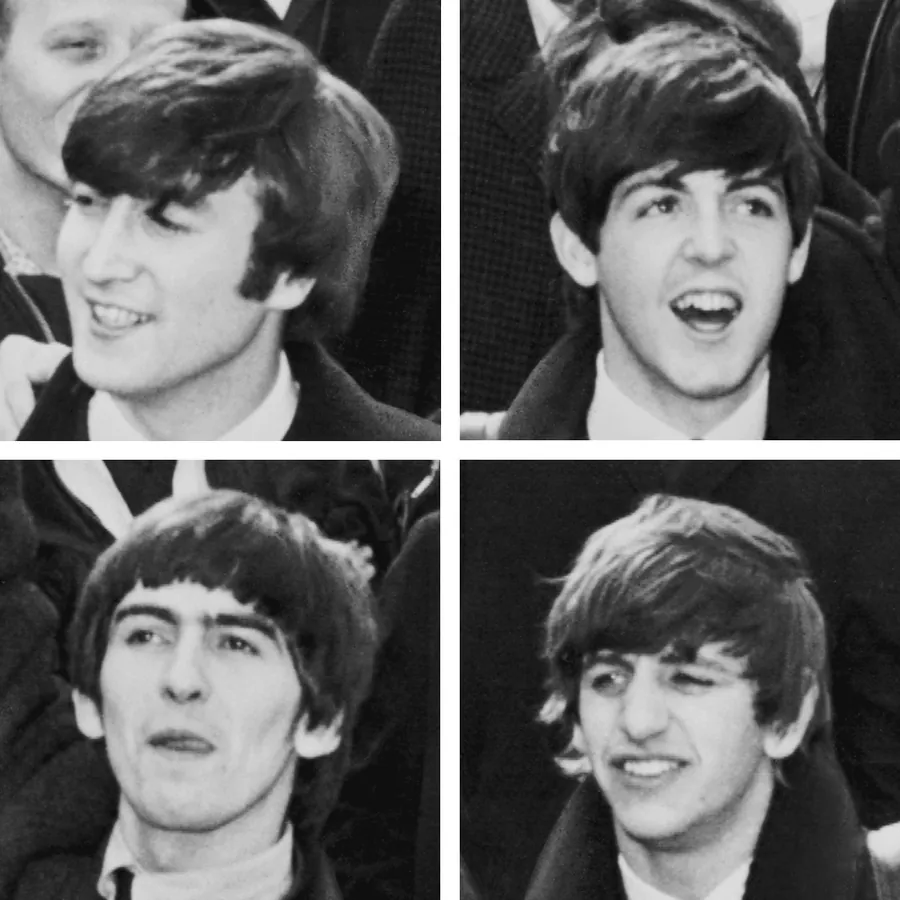
John Lennon skipped numbers entirely and counted the band in with "sugarplum fairy, sugarplum fairy". It never made the album version on Sgt. Pepper's, and stayed unheard until Anthology 2 surfaced it thirty years later, in 1996.
"Give Peace a Chance" — John Lennon and the Plastic Ono Band (1969)
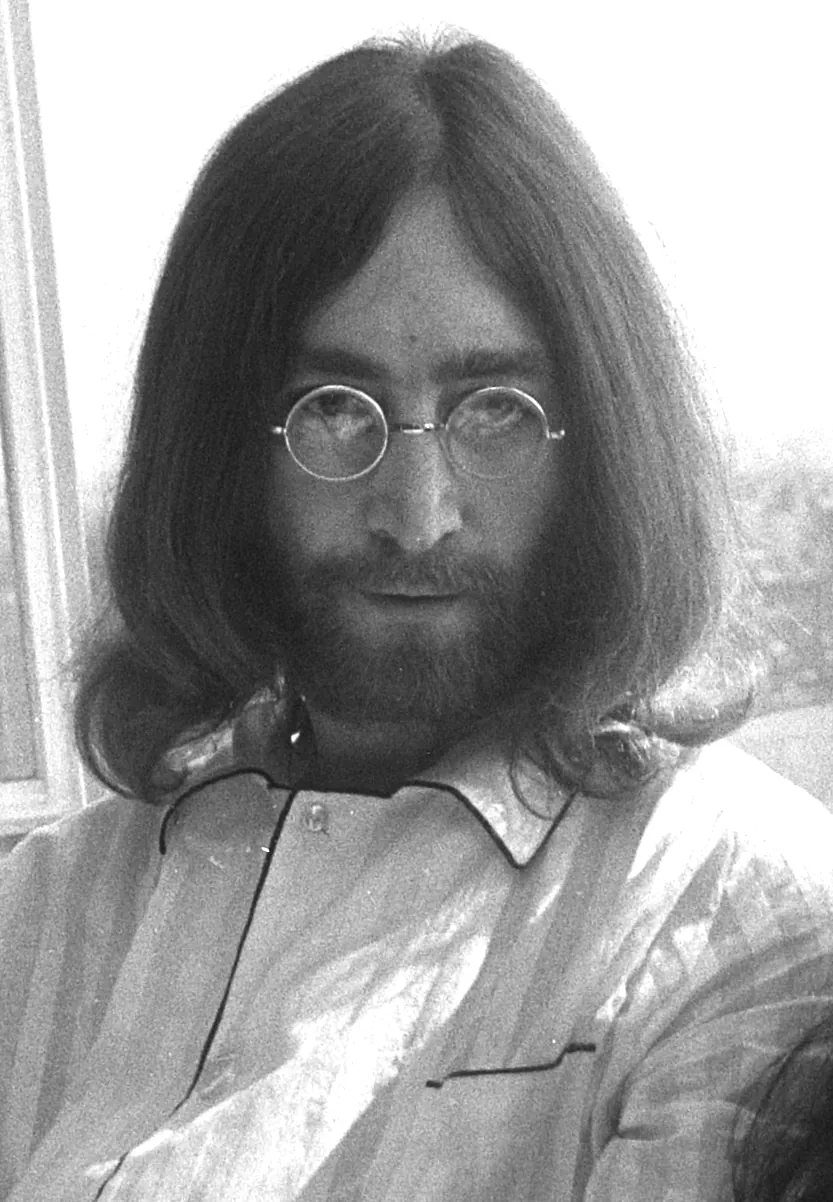
Recorded live for Live Peace in Toronto 1969, Lennon counts the band in in German: "eins, zwei, ein, zwei, drei, vier."
1970 to 1999
"Get Up (I Feel Like Being a) Sex Machine" — James Brown (1970)
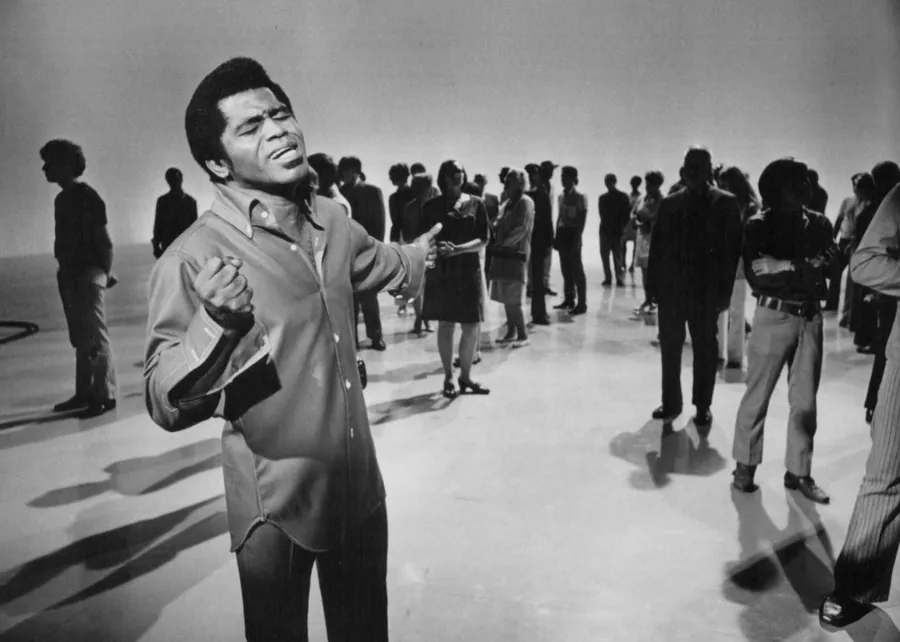
The track opens on spoken dialogue between Brown and his band before he asks, on tape, "can I count it off?", then does: "one, two, three, four!" The count is not tucked in front of the song, it is the song asking permission to start.
"1-2-3-4!" — The Ramones (It's Alive, 1979)
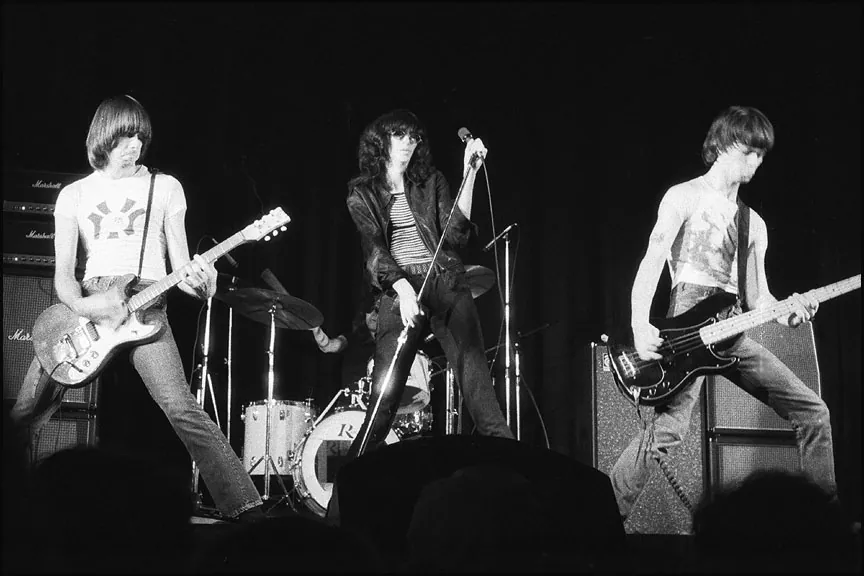
Not one song's count-in but a ritual: Dee Dee Ramone screamed "1-2-3-4!" before nearly every song the band played, live and in the studio, whether the audience needed the cue or not. The 1979 live album It's Alive catches him doing it 28 times across one show, rarely at the same tempo twice.
We told this one in the series as well.
"I Don't Wanna Face It" — John Lennon (1984)
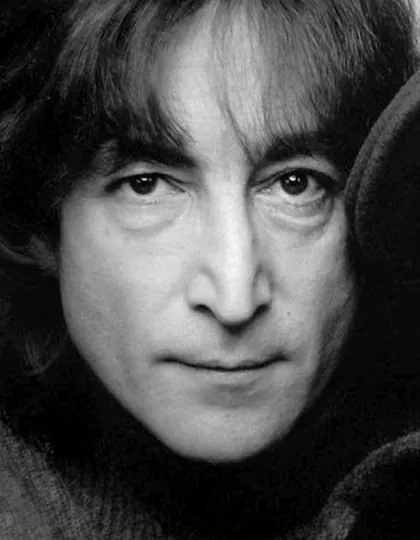
From the posthumous Milk and Honey, Lennon's last count-in is the loosest on this list: "un, deux, eins, zwei, hickle, pickle", three languages and a nonsense word, in character to the end.
"Patience" — Guns N' Roses (1988)
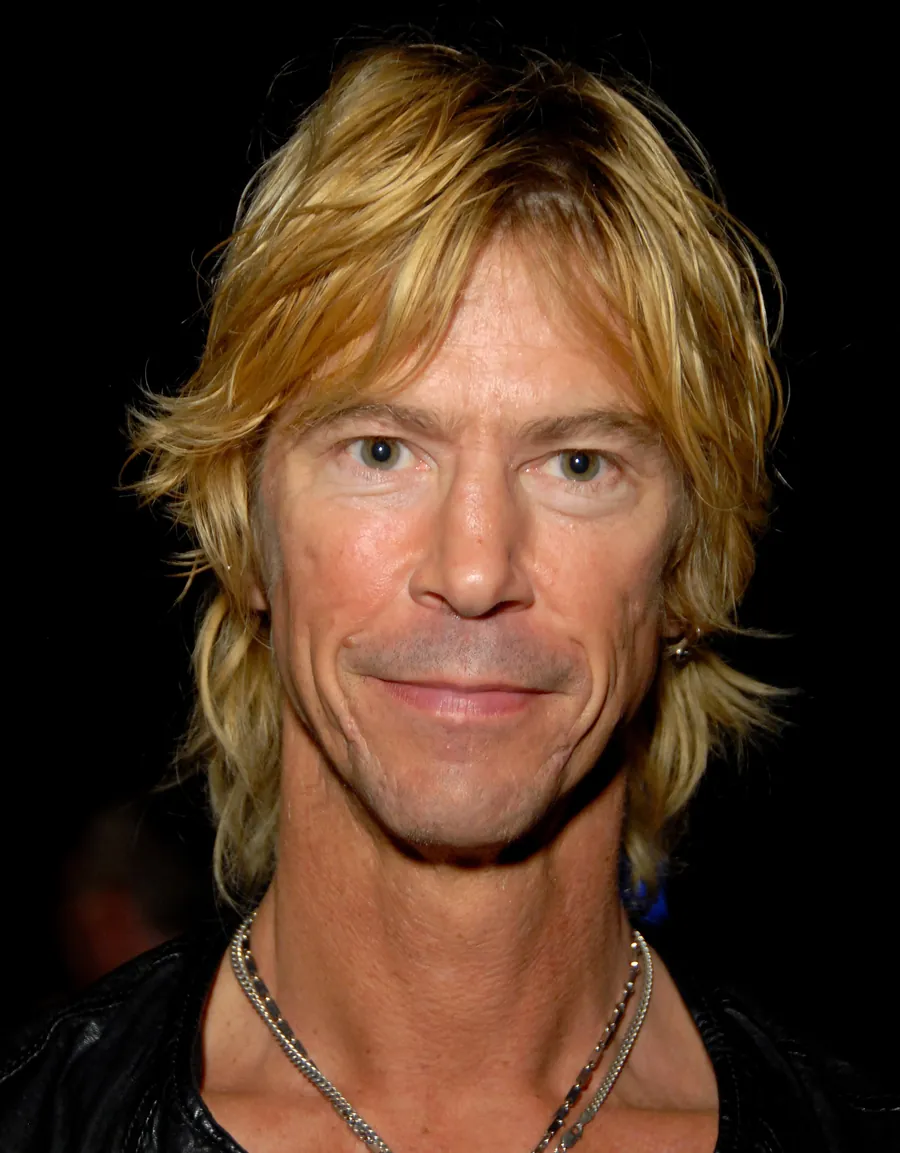
Bassist Duff McKagan counts the acoustic ballad in plainly: "one, two, one, two, three, four." No trick, no gimmick, just the count that happened to be running when the tape was.
"You Get What You Give" — New Radicals (1998)
Gregg Alexander's count breaks its own rhythm on the last beat: "one, two, one, two, three, OW!" The yelp became recognizable enough that another artist borrowed the exact same count three years later.
"Walla Walla" — The Offspring (1998)
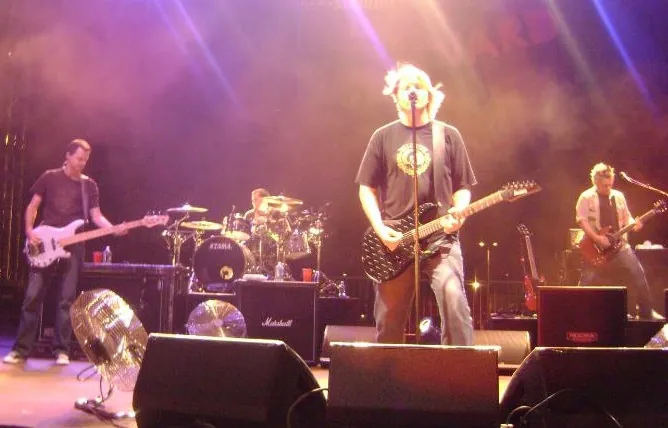
Instead of four flat beats, the count accelerates into the song's own tempo: "one and two and three and four and," repeating and speeding up until it arrives at the actual pace of the track.
"Lonely Swedish (The Bum Bum Song)" — Tom Green (1999)
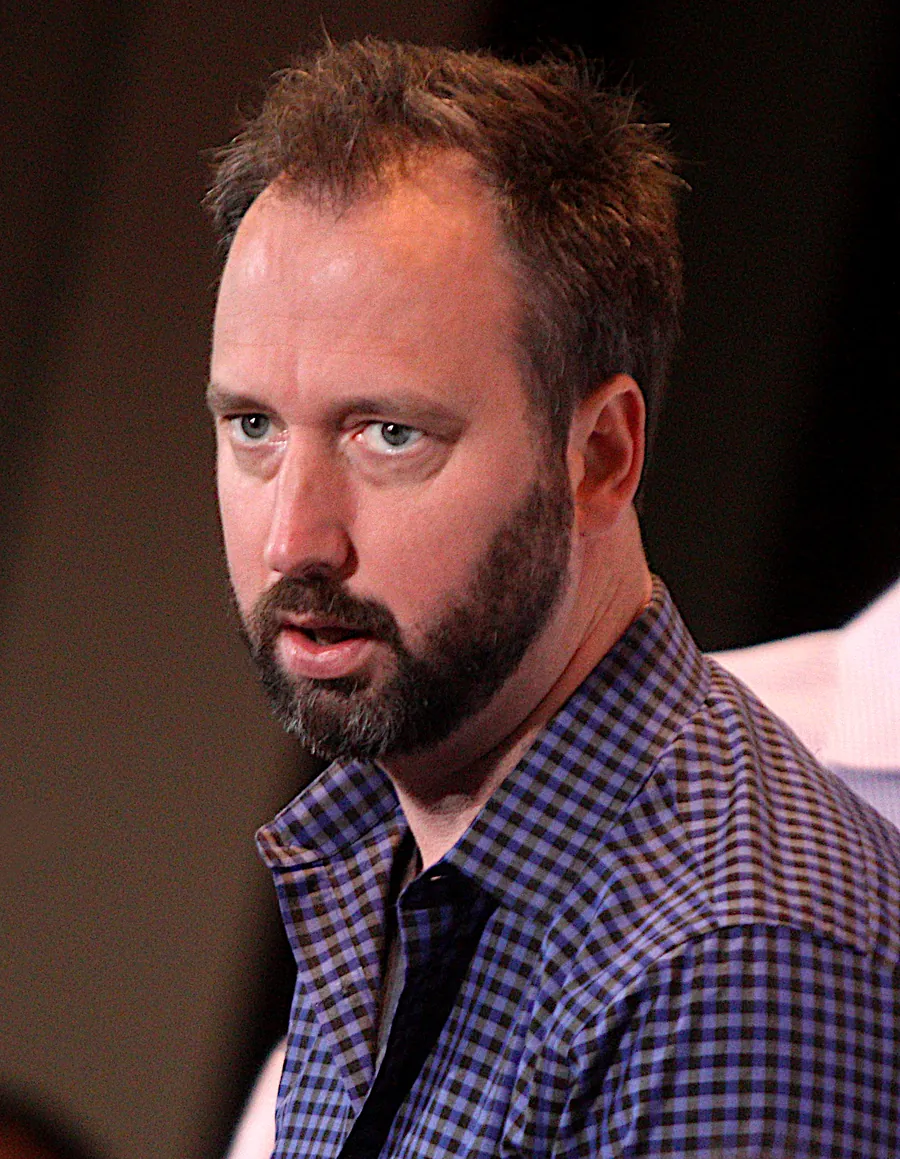
Most count-ins open a song. This one hides in the middle, between the bridge and the final chorus, a plain "one, two, three, four" where nobody expects a count at all.
2000 to 2009
"Son Song" — Soulfly featuring Sean Lennon (2000)
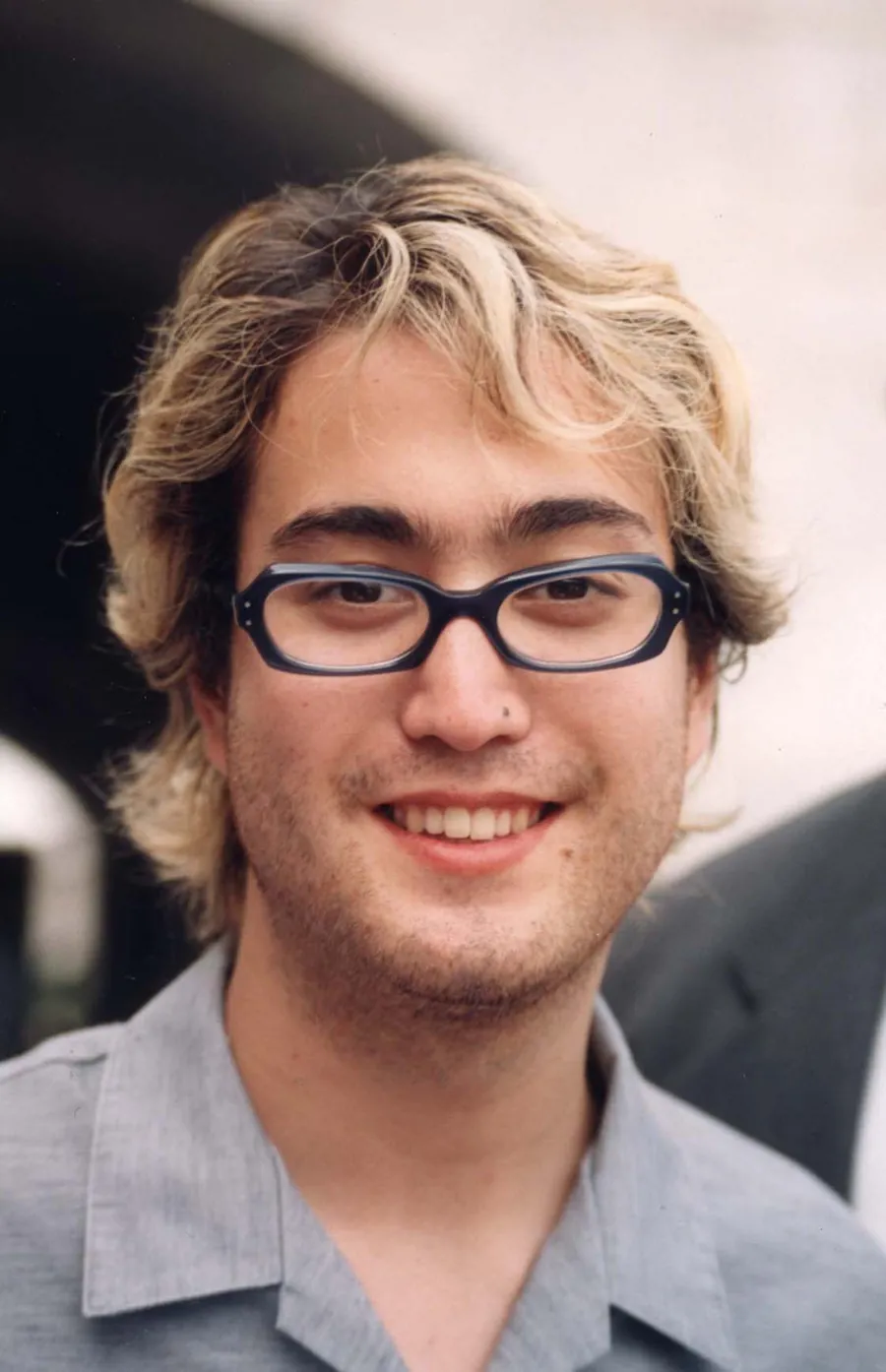
John Lennon's son counts this one in, "one, two, three, four", a small, quiet echo of his father's own recorded counts thirty years earlier.
"You'll Never Meet God (If You Break My Heart)" — Carly Hennessy (2001)
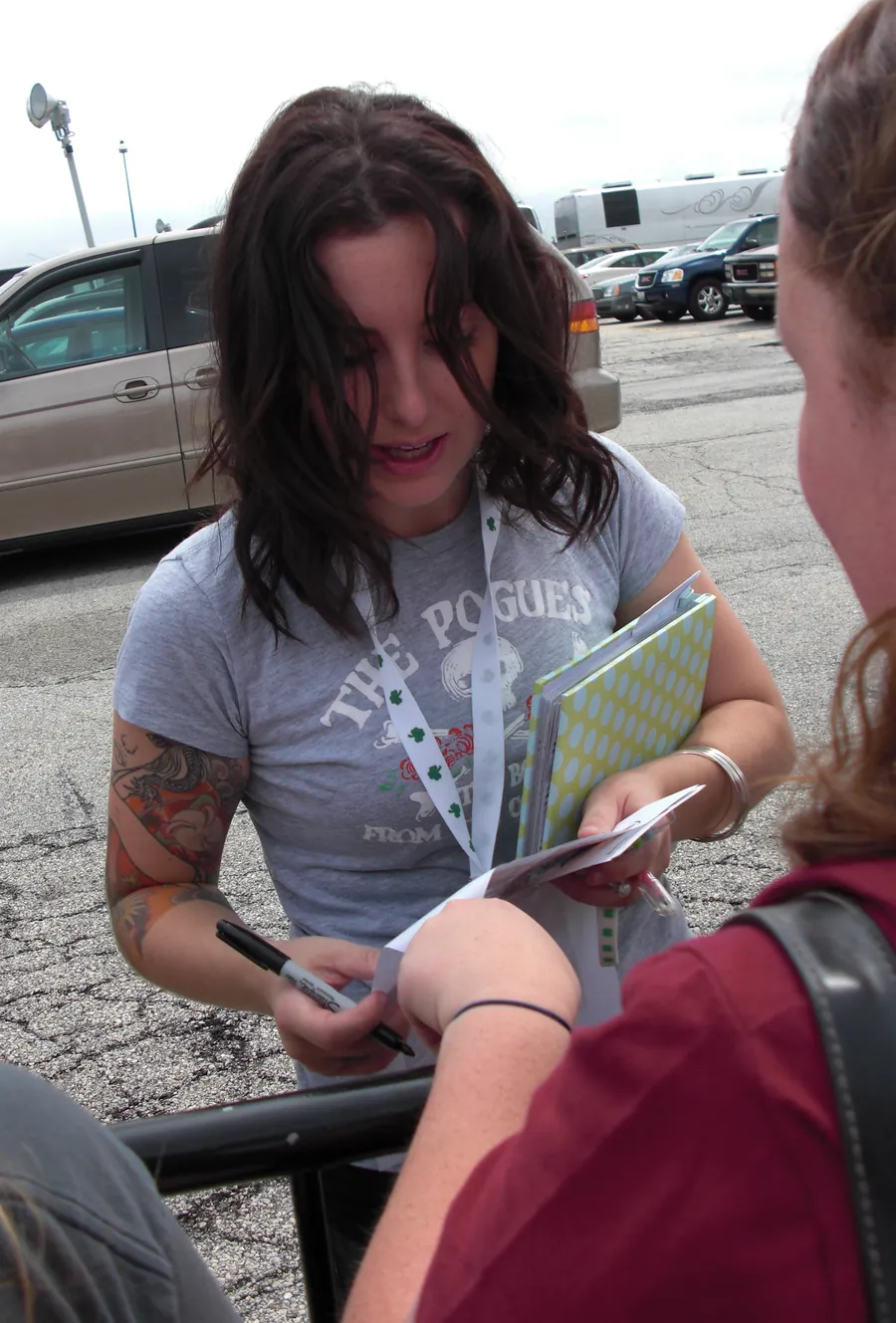
Written by the New Radicals' Gregg Alexander, the song reuses his own signature count from "You Get What You Give" almost word for word: "one, two, one, two, three, OW!"
"Hey Ya!" — OutKast (2003)
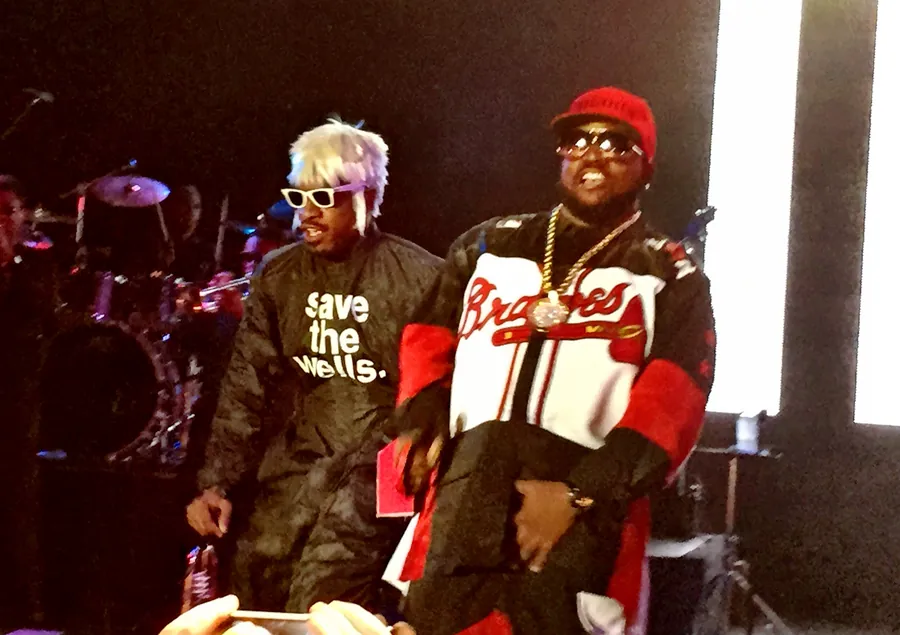
André 3000 counts to three, then never says four. The fourth beat is a syllable, "oh", not a number, and the song's own meter drops two beats out of every phrase, which is why the dance floor stumbles in the exact same spot every time.
We told this one in the series: OutKast counts to three and never says four.
"Vertigo" — U2 (2004)
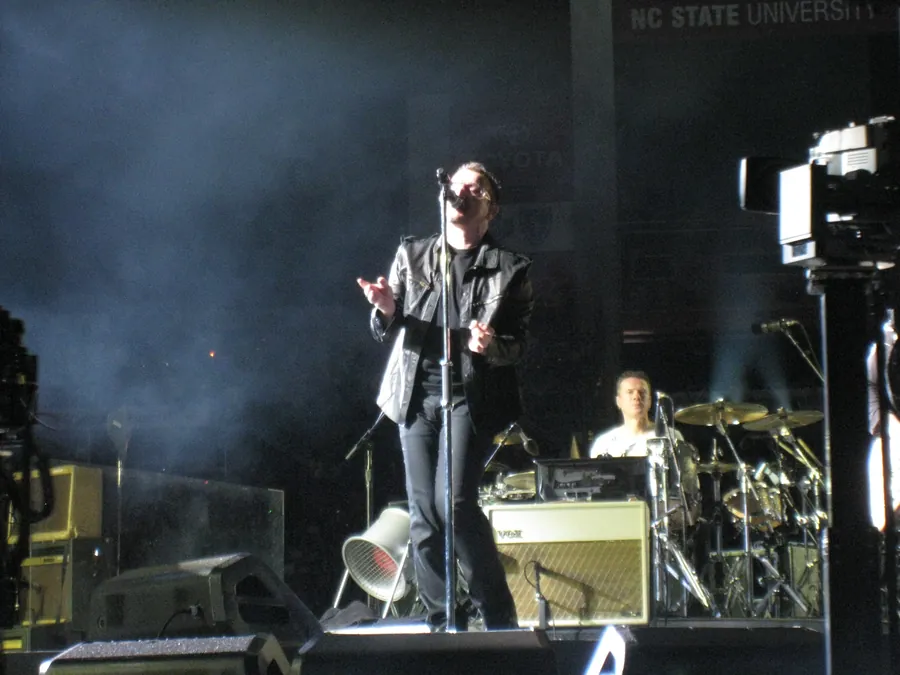
Bono counts off the last two bars of a four-bar drum intro in Spanish, and gets it wrong on purpose: "unos, dos, tres, catorce", one, two, three, fourteen. A count-in that breaks its own count, on a song that spent the rest of its four minutes at number one in fifteen countries.
2010s to today
"Hot to Go!" — Chappell Roan (2023)
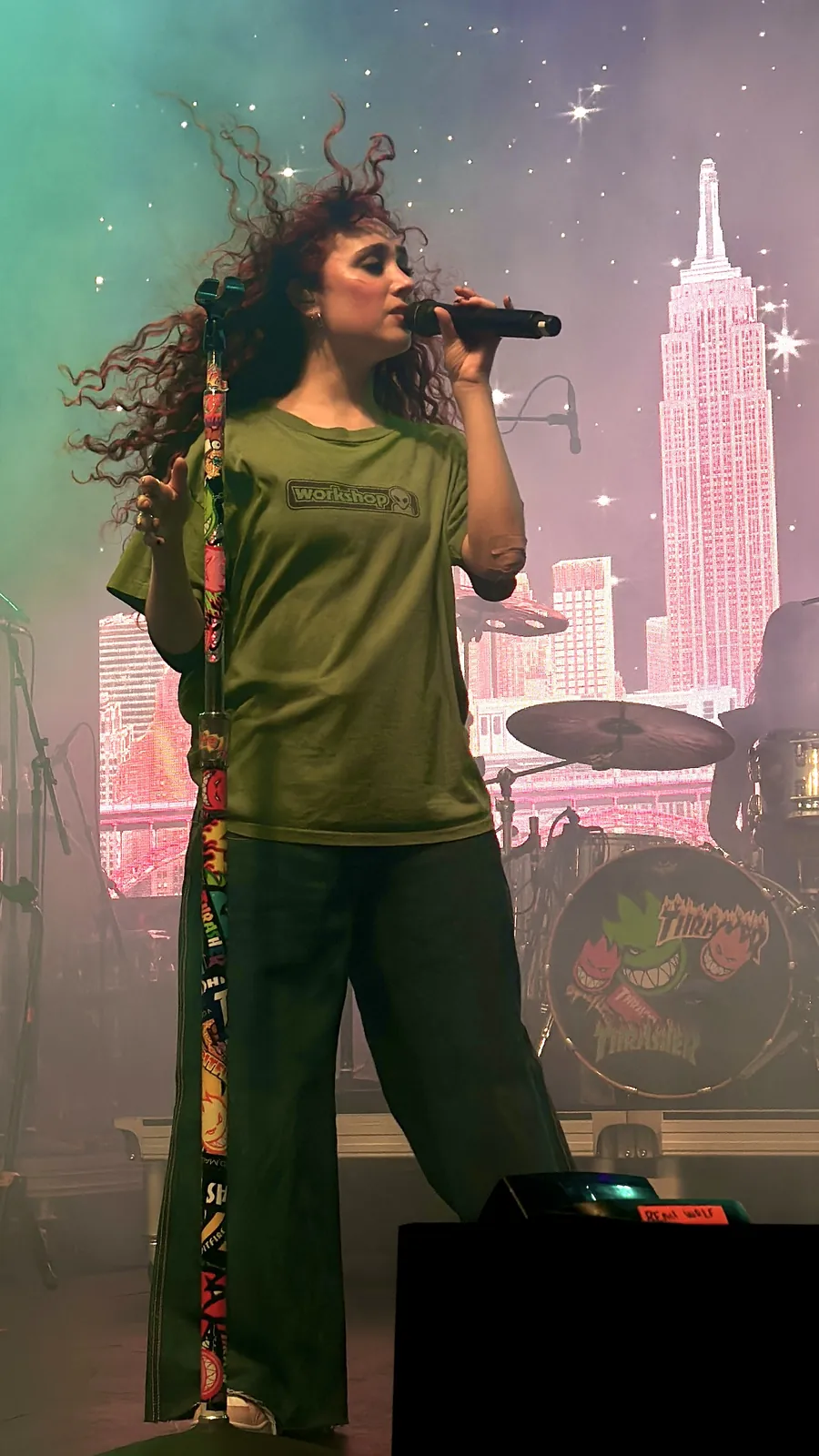
The newest count-in on this list borrows its shape from a cheerleading chant instead of a band count: "five, six, five, six, seven, eight", the exact cadence of a routine starting up, not a song.
The one thing all of these have in common
None of them are click tracks. A click keeps a band in time once the song has started; a count-in gets everyone to the same beat one, together, before it has. That is also the entire job of CountIn: drop in a backing track, and it finds the tempo and the first downbeat, then adds a count-in that lands exactly there, the way Paul McCartney's splice or Dee Dee Ramone's scream did by hand or by accident. You can preview it free, no signup, on your own track.
If a count-in belongs on this list and we've missed it, tell us — with the song, the year, and where in the recording it happens.
Frequently asked questions
Why do most count-ins get edited out of the final recording?
A count-off is a cue for the musicians, not for the audience, so an engineer typically trims it once the tape rolls into the actual song. The ones on this list survived because someone, usually the producer, decided the count added something the finished song was better for keeping.
What's the difference between a count-in and a click track?
A count-in is a handful of beats that gets a band to start together, then it stops. A click track is a steady click running through the whole song to keep everyone locked to the tempo. Many bands use both: a count-in to start, then a click, often heard only in-ear, to hold the tempo once the song is moving.
Is "Wooly Bully" really Billboard's number one song of 1965 despite never reaching number one on a weekly chart?
Yes. Billboard's weekly Hot 100 crowns whoever tops that single week; the year-end chart adds up every week of chart performance across the year. "Wooly Bully" spent weeks blocked at number two, first by the Beach Boys, then by the Supremes, but stayed on the chart longer and sold more, over the full year, than anything that did reach number one.